Your Online Shopping Habit is Fueling a Robotics Renaissance
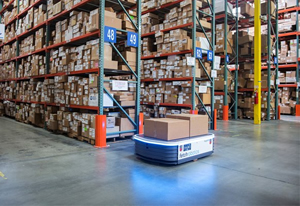 Matt Simon for Wired: GO AHEAD, HIT that BUY NOW button. Procure that sweater or TV or pillow that looks like a salmon fillet. Hit that button and fulfill the purpose of a hardworking warehouse robot.
Just know this: the more you rely on online shopping, the more online retailers rely on robots to deliver those products to you. Robots shuttle cabinets of goods around warehouses. Other robots scan barcodes to do inventory. And, increasingly, robotic arms do what once only humans could: Sort through a vast array of oddly-shaped objects to compile large orders, all to be shipped to you, dear consumer.
“To my mind, the big story in 2017 has been an inflection point in e-commerce,” says roboticist Ken Goldberg of UC Berkeley. “Companies like Amazon and others are now delivering products at an unprecedented rate, something like 500 packages per second. And that is only going to grow.”
And evolve. Working robots no longer just lift heavy objects or weld or do other large, brute-force tasks. The new breed of robot rolling through fulfillment centers like Amazon’s is more advanced, more nuanced—and more collaborative. And while automating parts of these processes makes order fulfillment cheaper for e-tailers (and, consequently, you), it’s also fueling a robotic renaissance that will have implications far beyond the warehouse. Full Article:
Featured Product